History

World History Explorer

Travel through 103 key moments in world history and meet 55 influential people — by region, country or city. Every entry links to its sources.

World history timeline

103 events

  1. Important Inventions

    Cuneiform writing develops in Sumer

    Uruk, Sumer, southern Mesopotamia (present-day Iraq)
    Scribes in the Sumerian city of Uruk began pressing wedge-shaped signs into clay tablets, first to record goods and accounts and later to write language.

    Why it matters: Cuneiform is one of the earliest known writing systems and was used across the ancient Near East for about 3,000 years.

    Historical note: The earliest proto-cuneiform tablets are dated by archaeologists, so the date is an estimate.

    People, places & sources

    Sources: Encyclopaedia Britannica · Wikipedia
  2. Kingdoms and Empires

    Upper and Lower Egypt are unified

    Nile Valley (present-day Egypt)

    Around 3100 BCE the kingdoms of the Nile Valley and Delta came under a single ruler, beginning the Early Dynastic Period of ancient Egypt.

    Why it matters: Unification created one of the world's first large territorial states, which lasted for nearly three thousand years.

    Historical note: The date is approximate, and historians debate whether Narmer or an earlier king first unified Egypt.

    People, places & sources

    People: Narmer

    Sources: Encyclopaedia Britannica · Wikipedia

  3. Ancient Civilizations

    Stonehenge is built in stages

    Salisbury Plain (present-day England, United Kingdom)

    Neolithic and Bronze Age communities built Stonehenge over many centuries, beginning with a circular earthwork and later raising the large sarsen stones.

    Why it matters: It is one of the best-known prehistoric monuments in the world and a UNESCO World Heritage Site.

    Historical note: Archaeologists still debate the monument's exact purpose and building sequence.

    People, places & sources

    Sources: Encyclopaedia Britannica · UNESCO World Heritage Centre · Wikipedia

  4. Ancient Civilizations

    The Great Pyramid of Giza is built

    Giza, Old Kingdom of Egypt (present-day Egypt)

    The largest of the Giza pyramids was built as a tomb for the pharaoh Khufu of the Fourth Dynasty.

    Why it matters: It was the tallest human-made structure in the world for more than 3,800 years and is the only one of the Seven Wonders of the Ancient World still standing.

    Historical note: Construction dates are estimated from the length of Khufu's reign.

    People, places & sources

    People: Khufu,

    Cities: Giza

    Sources: Encyclopaedia Britannica · Wikipedia

  5. Ancient Civilizations

    The Indus Valley Civilisation reaches its mature phase

    Indus River basin (present-day Pakistan and north-west India)

    Planned cities such as Mohenjo-daro and Harappa had grid streets, brick houses and covered drains, and traded as far as Mesopotamia.

    Why it matters: It was one of the three earliest civilisations of the Old World, alongside Egypt and Mesopotamia.

    Historical note: The Indus script has not been deciphered, so much about its society remains uncertain.

    People, places & sources

    Sources: Encyclopaedia Britannica · Wikipedia

  6. Ancient Civilizations

    The Great Ziggurat of Ur is built

    Ur, Third Dynasty of Ur, Mesopotamia (present-day Iraq)

    King Ur-Nammu began a stepped temple platform dedicated to the moon god Nanna, completed by his son Shulgi.

    Why it matters: It is one of the best-preserved ziggurats of ancient Mesopotamia.

    People, places & sources

    People: Ur-Nammu, Shulgi

    Sources: Wikipedia

  7. Political and Social Changes

    The Code of Hammurabi is inscribed

    Babylon, Old Babylonian Empire (present-day Iraq)

    King Hammurabi of Babylon had about 282 laws carved on stone stelae, covering trade, property, family and punishments.

    Why it matters: It is one of the longest and best-preserved law codes of the ancient world.

    People, places & sources

    People: Hammurabi,

    Sources: Encyclopaedia Britannica · Wikipedia

  8. Cultural and Religious History

    The temples of Abu Simbel are carved

    Nubia, New Kingdom of Egypt (present-day southern Egypt)

    Two rock-cut temples were carved into a sandstone cliff during the reign of Ramesses II, with four colossal seated statues of the king at the entrance.

    Why it matters: They are among the most famous monuments of ancient Egypt.

    Historical note: Building dates are estimates based on Ramesses II's reign.

    People, places & sources

    People: Ramesses II,

    Sources: UNESCO World Heritage Centre · Wikipedia

  9. Kingdoms and Empires

    Kings of Kush rule Egypt as the 25th Dynasty

    Kingdom of Kush and Egypt (present-day Sudan and Egypt)

    The Kushite king Piye marched north from Napata and took control of Egypt; his successors ruled both lands until Assyrian invasions pushed them south.

    Why it matters: For nearly a century a kingdom based in present-day Sudan ruled one of the largest states of the ancient world.

    Historical note: Exact reign dates of the Kushite kings are debated.

    People, places & sources

    People: Piye,

    Sources: Wikipedia

  10. Kingdoms and Empires

    Cyrus the Great founds the Achaemenid Persian Empire

    Persia (present-day Iran) and western Asia

    Cyrus II overthrew the Median king and went on to conquer Lydia and Babylon, creating the largest empire the world had yet seen.

    Why it matters: The Achaemenid Empire linked lands from the Aegean to the Indus; its later capital Persepolis is a UNESCO World Heritage Site.

    People, places & sources

    People: Cyrus the Great,

    Sources: Encyclopaedia Britannica · Wikipedia

  11. Political and Social Changes

    The Roman Republic is founded

    Rome (present-day Italy)

    According to Roman tradition, the last king of Rome was expelled and power passed to two elected consuls and the Senate.

    Why it matters: The Republic's institutions influenced later ideas of government, including the separation of powers.

    Historical note: 509 BCE is the traditional date recorded by later Roman historians; its accuracy is uncertain.

    People, places & sources

    Cities: Rome

    Sources: Encyclopaedia Britannica · Wikipedia

  12. Political and Social Changes

    Cleisthenes introduces democratic reforms in Athens

    Athens (present-day Greece)

    The reforms reorganised Athenian citizens into new tribes and gave the citizen assembly a central role in government.

    Why it matters: Athenian democracy is often cited as an early model of government by citizens, though women, enslaved people and foreigners were excluded.

    Historical note: Sources give 508 or 507 BCE.

    People, places & sources

    People: Cleisthenes

    Cities: Athens

    Sources: Wikipedia

  13. Cultural and Religious History

    The Parthenon is built on the Athenian Acropolis

    Athens (present-day Greece)

    The temple to the goddess Athena was built during the leadership of Pericles, with sculpture overseen by Phidias.

    Why it matters: It is regarded as a high point of classical Greek architecture.

    People, places & sources

    People: Pericles, Phidias

    Cities: Athens

    Sources: Encyclopaedia Britannica · UNESCO World Heritage Centre · Wikipedia

  14. Wars and Conflicts

    Alexander the Great's campaigns

    From Macedon across Anatolia, Egypt and Persia to the Indus

    Alexander III of Macedon defeated the Achaemenid Persian Empire and led his army as far as the Indus valley before his death in Babylon.

    Why it matters: His conquests spread Greek language and culture across western Asia and Egypt, beginning the Hellenistic period.

    Historical note: Ancient Macedon is not the same as any present-day state; its legacy is claimed in different ways today.

    People, places & sources

    People: Alexander the Great,

    Sources: Wikipedia

  15. Kingdoms and Empires

    Meroë flourishes as the royal city of Kush

    Meroë, Kingdom of Kush (present-day Sudan)

    Kings and queens of Kush were buried in steep pyramids near Meroë, a centre of iron-working and trade along the Nile.

    Why it matters: The Island of Meroë archaeological sites are a UNESCO World Heritage Site.

    Historical note: Historians date the move of the royal centre to Meroë differently.

    People, places & sources

    Sources: Encyclopaedia Britannica · UNESCO World Heritage Centre · Wikipedia

  16. Kingdoms and Empires

    Qin Shi Huang unifies China

    Qin state, north and central China (present-day China)

    After conquering the other Warring States, the king of Qin declared himself the first emperor and standardised writing, coins, weights and measures.

    Why it matters: It began more than 2,000 years of imperial rule in China; his tomb is guarded by the Terracotta Army.

    People, places & sources

    People: Qin Shi Huang,

    Sources: Wikipedia

  17. Political and Social Changes

    Julius Caesar is assassinated

    Rome (present-day Italy)

    A group of Roman senators stabbed Caesar, who had been named dictator for life, during a Senate meeting.

    Why it matters: His death led to civil wars that ended the Roman Republic.

    People, places & sources

    People: Julius Caesar, Brutus, Cassius

    Cities: Rome

    Sources: Wikipedia

  18. Kingdoms and Empires

    Augustus becomes the first Roman emperor

    Rome (present-day Italy)

    The Senate granted Octavian the title Augustus, and he ruled as the first emperor while keeping the forms of the Republic.

    Why it matters: It began the Roman Empire and a long period of relative stability known as the Pax Romana.

    People, places & sources

    People: Augustus,

    Cities: Rome

    Sources: Encyclopaedia Britannica · Wikipedia

  19. Cultural and Religious History

    The Colosseum is completed

    Rome (present-day Italy)

    Begun under Emperor Vespasian and opened under his son Titus, the amphitheatre hosted public spectacles for tens of thousands of spectators.

    Why it matters: It is the largest ancient amphitheatre ever built.

    People, places & sources

    People: Vespasian, Titus

    Cities: Rome

    Sources: Encyclopaedia Britannica · Wikipedia

  20. Ancient Civilizations

    Mount Vesuvius erupts and buries Pompeii

    Bay of Naples, Roman Empire (present-day Italy)

    A violent eruption covered the Roman towns of Pompeii and Herculaneum in ash and volcanic debris.

    Why it matters: The buried towns preserved an unusually detailed picture of daily Roman life.

    Historical note: The traditional date is 24 August, but some archaeological evidence suggests October 79.

    People, places & sources

    People: Pliny the Younger

    Cities: Naples

    Sources: Wikipedia

  21. Ancient Civilizations

    Teotihuacan is at its height

    Valley of Mexico (present-day Mexico)

    The planned city, with the Pyramids of the Sun and Moon, was one of the largest cities in the world in the first half of the first millennium CE.

    Why it matters: Its influence reached across Mesoamerica; later Aztecs gave the ruins the name they use today.

    Historical note: The language and name its own builders used are unknown.

    People, places & sources

    Cities: Mexico City

    Sources: Encyclopaedia Britannica · UNESCO World Heritage Centre · Wikipedia

  22. Important Inventions

    Cai Lun presents his papermaking process

    Luoyang, Eastern Han dynasty (present-day China)

    The court official Cai Lun reported a method of making paper from bark, hemp, rags and old fishing nets to the Han emperor.

    Why it matters: Paper spread across Asia and later to the Islamic world and Europe, transforming record-keeping and learning.

    Historical note: Archaeology shows earlier paper existed in China; Cai Lun is traditionally credited with improving and standardising it.

    People, places & sources

    People: Cai Lun,

    Sources: Encyclopaedia Britannica · Wikipedia

  23. Kingdoms and Empires

    Rome annexes the Nabataean kingdom and Petra

    Petra, Nabataean kingdom (present-day Jordan)

    The Nabataean kingdom, whose capital Petra was carved into rose-red cliffs, became the Roman province of Arabia Petraea.

    Why it matters: Petra's rock-cut tombs and temples are a UNESCO World Heritage Site.

    People, places & sources

    Sources: Wikipedia

  24. Kingdoms and Empires

    Constantine dedicates Constantinople

    Byzantium, Roman Empire (present-day Istanbul, Türkiye)

    Emperor Constantine I rebuilt the city of Byzantium and dedicated it as a new imperial capital.

    Why it matters: Constantinople was the capital of the Eastern Roman (Byzantine) Empire for over 1,000 years.

    People, places & sources

    People: Constantine the Great,

    Cities: Istanbul

    Sources: Wikipedia

  25. Cultural and Religious History

    King Ezana of Aksum adopts Christianity

    Kingdom of Aksum (present-day Ethiopia and Eritrea)

    Coins and inscriptions show Ezana changing from traditional symbols to the Christian cross during his reign.

    Why it matters: Aksum became one of the first states to adopt Christianity officially.

    Historical note: The exact year of his conversion is unknown.

    People, places & sources

    People: Ezana of Aksum, Frumentius

    Sources: Encyclopaedia Britannica · Wikipedia

  26. Kingdoms and Empires

    The Western Roman Empire ends

    Ravenna, Western Roman Empire (present-day Italy)

    The Germanic general Odoacer deposed the young emperor Romulus Augustulus and did not appoint a successor in the West.

    Why it matters: 476 is conventionally used to mark the end of ancient Rome in the West and the start of the European Middle Ages.

    Historical note: Historians debate whether the empire 'fell' in one year or transformed gradually; the Eastern Empire continued until 1453.

    People, places & sources

    People: Odoacer, Romulus Augustulus

    Sources: Wikipedia

  27. Cultural and Religious History

    Hagia Sophia is completed

    Constantinople, Byzantine Empire (present-day Istanbul, Türkiye)

    Emperor Justinian I had the great domed church rebuilt in under six years by the architects Anthemius of Tralles and Isidore of Miletus.

    Why it matters: Its vast dome influenced architecture for centuries; it later served as a mosque, a museum, and again as a mosque since 2020.

    People, places & sources

    People: Justinian I, Anthemius of Tralles, Isidore of Miletus

    Cities: Istanbul

    Sources: Encyclopaedia Britannica · UNESCO World Heritage Centre · Wikipedia

  28. Cultural and Religious History

    The Hijra: Muhammad migrates from Mecca to Medina

    Mecca and Yathrib (Medina), Arabia (present-day Saudi Arabia)

    The Prophet Muhammad and his followers moved from Mecca to Yathrib, later known as Medina, where the first Muslim community was organised.

    Why it matters: The year of the Hijra became year 1 of the Islamic (Hijri) calendar.

    People, places & sources

    People: Muhammad,

    Cities: Mecca, Medina

    Sources: Encyclopaedia Britannica · Wikipedia

  29. Cultural and Religious History

    Borobudur is built

    Central Java, Sailendra dynasty (present-day Indonesia)

    The Buddhist monument was built as a stepped stone structure with hundreds of relief panels and Buddha statues.

    Why it matters: It is the largest Buddhist temple in the world and a UNESCO World Heritage Site.

    Historical note: It is dated to the 8th and 9th centuries from style and inscriptions.

    People, places & sources

    Cities: Yogyakarta

    Sources: Encyclopaedia Britannica · UNESCO World Heritage Centre · Wikipedia

  30. Kingdoms and Empires

    The Abbasid caliph al-Mansur founds Baghdad

    Banks of the Tigris, Abbasid Caliphate (present-day Iraq)

    The new round city, called Madinat al-Salam ('City of Peace'), was built as the capital of the Abbasid Caliphate.

    Why it matters: Baghdad became one of the largest cities in the world and a centre of scholarship and trade.

    Historical note: Construction ran from 762 to about 766.

    People, places & sources

    People: Al-Mansur,

    Cities: Baghdad

    Sources: Wikipedia

  31. Kingdoms and Empires

    Charlemagne is crowned emperor

    Rome (present-day Italy)

    Pope Leo III crowned the Frankish king Charlemagne as emperor in St Peter's Basilica.

    Why it matters: It revived the imperial title in western Europe and shaped the later Holy Roman Empire.

    People, places & sources

    People: Charlemagne, Pope Leo III

    Cities: Rome

    Sources: Encyclopaedia Britannica · Wikipedia

  32. Scientific Discoveries

    Al-Khwarizmi writes his book on algebra

    Baghdad, Abbasid Caliphate (present-day Iraq)

    The scholar Muhammad ibn Musa al-Khwarizmi wrote a treatise on solving equations; the word 'algebra' comes from 'al-jabr' in its title.

    Why it matters: His works helped spread Hindu–Arabic numerals, and the word 'algorithm' derives from his name.

    People, places & sources

    People: Muhammad ibn Musa al-Khwarizmi,

    Cities: Baghdad

    Sources: Encyclopaedia Britannica · Wikipedia

  33. Kingdoms and Empires

    The Fatimids found Cairo

    Nile Delta, Fatimid Caliphate (present-day Egypt)

    After conquering Egypt, the Fatimid general Jawhar founded a new walled city named al-Qahira, 'the Victorious'.

    Why it matters: Cairo became the Fatimid capital and is today the largest city in the Arab world; Historic Cairo is a UNESCO World Heritage Site.

    People, places & sources

    People: Jawhar al-Siqilli

    Cities: Cairo

    Sources: Wikipedia

  34. Scientific Discoveries

    Ibn Sina completes The Canon of Medicine

    Persia, Kakuyid and Buyid domains (present-day Iran)

    The physician and philosopher Ibn Sina (Avicenna) compiled a five-book encyclopedia of medical knowledge.

    Why it matters: It was a standard medical textbook in the Islamic world and Europe for centuries.

    People, places & sources

    People: Ibn Sina (Avicenna),

    Sources: Encyclopaedia Britannica · Wikipedia

  35. Wars and Conflicts

    The Battle of Hastings

    Near Hastings (present-day England, United Kingdom)

    William, Duke of Normandy, defeated the English king Harold Godwinson, who was killed in the battle.

    Why it matters: The Norman Conquest transformed England's ruling class, language and architecture.

    People, places & sources

    People: William the Conqueror, Harold Godwinson

    Sources: Encyclopaedia Britannica · Wikipedia

  36. Kingdoms and Empires

    Great Zimbabwe flourishes

    Southern African plateau (present-day Zimbabwe)

    Ancestors of the Shona built a city of massive dry-stone walls that controlled trade in gold and ivory with the Indian Ocean coast.

    Why it matters: It gave its name to the modern state of Zimbabwe and is a UNESCO World Heritage Site.

    Historical note: Colonial-era writers wrongly credited the ruins to foreign builders; archaeology confirms local African origins.

    People, places & sources

    Sources: Encyclopaedia Britannica · UNESCO World Heritage Centre · Wikipedia

  37. Cultural and Religious History

    Angkor Wat is built

    Angkor, Khmer Empire (present-day Cambodia)

    King Suryavarman II built Angkor Wat as a Hindu temple dedicated to Vishnu; it later became a Buddhist site.

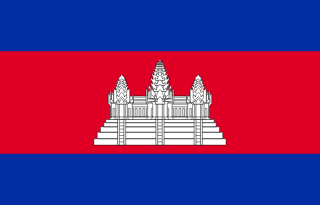
    Why it matters: It is the largest religious monument in the world and appears on Cambodia's flag.

    People, places & sources

    People: Suryavarman II

    Cities: Siem Reap

    Sources: Encyclopaedia Britannica · UNESCO World Heritage Centre · Wikipedia

  38. Cultural and Religious History

    The rock-hewn churches of Lalibela are carved

    Roha (Lalibela), Zagwe dynasty (present-day Ethiopia)

    Eleven churches were carved down into solid volcanic rock, traditionally during the reign of King Gebre Mesqel Lalibela.

    Why it matters: They remain an active pilgrimage site and are a UNESCO World Heritage Site.

    Historical note: Some scholars think the churches were carved over a longer period.

    People, places & sources

    People: Gebre Mesqel Lalibela

    Sources: UNESCO World Heritage Centre · Wikipedia

  39. Kingdoms and Empires

    Temüjin is proclaimed Genghis Khan

    Mongolian steppe (present-day Mongolia)

    An assembly of Mongol clans proclaimed Temüjin their supreme ruler, uniting the steppe tribes.

    Why it matters: The Mongol Empire became the largest contiguous land empire in history.

    Historical note: Mongol conquests caused immense destruction and loss of life as well as new trade connections.

    People, places & sources

    People: Genghis Khan,

    Sources: Encyclopaedia Britannica · Wikipedia

  40. Political and Social Changes

    Magna Carta is sealed

    Runnymede (present-day England, United Kingdom)

    King John agreed to a charter with rebel barons limiting royal power and protecting certain rights.

    Why it matters: Although quickly annulled, it became a lasting symbol of the principle that rulers are subject to law.

    People, places & sources

    People: King John of England

    Cities: London

    Sources: Encyclopaedia Britannica · Wikipedia

  41. Cultural and Religious History

    Mansa Musa's pilgrimage to Mecca

    From the Mali Empire through Cairo to Mecca (present-day Mali, Egypt and Saudi Arabia)

    The ruler of Mali travelled to Mecca with a large caravan, spending so much gold in Cairo that writers reported its value fell.

    Why it matters: The journey made the wealth of West Africa famous across the Mediterranean world.

    Historical note: Reported sizes of the caravan come from later chroniclers and may be exaggerated.

    People, places & sources

    People: Mansa Musa,

    Cities: Cairo

    Sources: Encyclopaedia Britannica · Wikipedia

  42. Kingdoms and Empires

    The Mexica found Tenochtitlan

    Lake Texcoco, Valley of Mexico (present-day Mexico City, Mexico)

    The Mexica (Aztecs) founded their island city in Lake Texcoco, which grew into the capital of the Aztec Empire.

    Why it matters: Mexico City was later built on its ruins.

    Historical note: 1325 is the traditional date; some sources give other years.

    People, places & sources

    Cities: Mexico City

    Sources: Encyclopaedia Britannica · Wikipedia

  43. Exploration and Geography

    Ibn Battuta's travels

    From Tangier across Africa, the Middle East, Asia and Europe

    The Moroccan scholar travelled for nearly 30 years and later dictated an account of his journeys, known as the Rihla.

    Why it matters: His account is a major source on the 14th-century Islamic world.

    Historical note: Some passages of the Rihla may draw on other writers' accounts.

    People, places & sources

    People: Ibn Battuta,

    Cities: Tangier

    Sources: Encyclopaedia Britannica · Wikipedia

  44. Political and Social Changes

    The Black Death

    Western Asia, North Africa and Europe

    A bubonic plague pandemic spread along trade routes, killing an estimated third or more of Europe's population.

    Why it matters: It caused major social, economic and religious changes in the affected regions.

    Historical note: Death toll estimates vary widely between historians.

    People, places & sources

    Sources: Encyclopaedia Britannica · Wikipedia

  45. Cultural and Religious History

    The Italian Renaissance

    Florence and other Italian states (present-day Italy)

    Artists and scholars revived interest in classical Greek and Roman learning, producing new styles in painting, sculpture and architecture.

    Why it matters: Renaissance ideas spread across Europe and shaped modern art and science.

    Historical note: The start and end dates of the Renaissance are conventions, not fixed events.

    People, places & sources

    People: Leonardo da Vinci, Michelangelo, Raphael

    Cities: Florence, Rome, Venice

    Sources: Encyclopaedia Britannica · Wikipedia

  46. Cultural and Religious History

    The Forbidden City is built

    Beijing, Ming dynasty (present-day China)

    The Yongle Emperor moved the Ming capital to Beijing and built a vast walled palace complex.

    Why it matters: It was the imperial palace of the Ming and Qing dynasties for about 500 years and is now the Palace Museum.

    People, places & sources

    People: Yongle Emperor

    Cities: Beijing

    Sources: Encyclopaedia Britannica · UNESCO World Heritage Centre · Wikipedia

  47. Cultural and Religious History

    King Sejong promulgates the Korean alphabet

    Hanseong, Joseon (present-day Seoul, South Korea)

    The king published Hunminjeongeum, 'The Correct Sounds for the Instruction of the People', introducing a new phonetic script.

    Why it matters: Hangul is still the Korean alphabet today.

    People, places & sources

    People: Sejong the Great,

    Cities: Seoul

    Sources: Encyclopaedia Britannica · Wikipedia

  48. Kingdoms and Empires

    Machu Picchu is built

    Andes, Inca Empire (present-day Peru)

    The mountain-top estate is thought to have been built for the Inca ruler Pachacuti.

    Why it matters: It is the best-known site of the Inca Empire and a UNESCO World Heritage Site.

    Historical note: The construction date is estimated.

    People, places & sources

    People: Pachacuti

    Cities: Cusco

    Sources: Encyclopaedia Britannica · Wikipedia

  49. Wars and Conflicts

    The Ottoman conquest of Constantinople

    Constantinople (present-day Istanbul, Türkiye)

    Ottoman forces under Sultan Mehmed II captured the city after a siege of about 53 days.

    Why it matters: It ended the Byzantine Empire, and the city became the Ottoman capital.

    People, places & sources

    People: Mehmed II, Constantine XI Palaiologos

    Cities: Istanbul

    Sources: Encyclopaedia Britannica · Wikipedia

  50. Important Inventions

    The Gutenberg Bible is printed

    Mainz, Holy Roman Empire (present-day Germany)

    Johannes Gutenberg's workshop printed the Bible using metal movable type and an adapted press.

    Why it matters: Printing with movable type spread rapidly across Europe, making books far cheaper.

    Historical note: Movable type had been used earlier in China and Korea.

    People, places & sources

    People: Johannes Gutenberg,

    Cities: Mainz

    Sources: Encyclopaedia Britannica · Wikipedia

  51. Wars and Conflicts

    The Emirate of Granada surrenders

    Granada (present-day Spain)

    Muhammad XII handed Granada to Isabella I of Castile and Ferdinand II of Aragon, ending the last Muslim state in the Iberian Peninsula.

    Why it matters: Its Alhambra palace complex is one of the finest examples of Islamic architecture in Europe.

    People, places & sources

    People: Muhammad XII, Isabella I of Castile, Ferdinand II of Aragon

    Cities: Granada

    Sources: Wikipedia

  52. Exploration and Geography

    Columbus's first voyage reaches the Caribbean

    The Bahamas, Caribbean

    Sailing for the Spanish crown, Christopher Columbus landed on an island in the Bahamas, then reached Cuba and Hispaniola.

    Why it matters: It began lasting contact between Europe and the Americas, with profound and often devastating consequences for Indigenous peoples.

    Historical note: Which Bahamian island he first reached is still debated.

    People, places & sources

    People: Christopher Columbus,

    Sources: Wikipedia

  53. Exploration and Geography

    Vasco da Gama reaches India by sea

    Calicut (present-day Kozhikode, India)

    The Portuguese fleet sailed around the Cape of Good Hope and across the Indian Ocean to the Malabar Coast.

    Why it matters: It opened a direct sea route between Europe and Asia.

    People, places & sources

    People: Vasco da Gama,

    Cities: Kozhikode, Lisbon

    Sources: Encyclopaedia Britannica · Wikipedia

  54. Cultural and Religious History

    Martin Luther's Ninety-five Theses

    Wittenberg, Holy Roman Empire (present-day Germany)

    Luther circulated propositions criticising the sale of indulgences, sparking a wide debate in the Church.

    Why it matters: It is traditionally seen as the start of the Protestant Reformation.

    Historical note: Whether he actually nailed the theses to a church door is debated.

    People, places & sources

    People: Martin Luther,

    Sources: Encyclopaedia Britannica · Wikipedia

  55. Exploration and Geography

    The first circumnavigation of the Earth

    From Spain across the Atlantic, Pacific and Indian Oceans

    An expedition led by Ferdinand Magellan set out from Spain; after his death in the Philippines, Juan Sebastián Elcano led the last ship home.

    Why it matters: It proved that the world's oceans are connected and revealed the true size of the Pacific.

    People, places & sources

    People: Ferdinand Magellan, Juan Sebastián Elcano, Lapulapu

    Sources: Wikipedia

  56. Wars and Conflicts

    The fall of Tenochtitlan

    Tenochtitlan (present-day Mexico City, Mexico)

    Spanish forces led by Hernán Cortés and their Indigenous allies captured the Aztec capital after a long siege and a smallpox epidemic.

    Why it matters: It led to Spanish colonial rule in Mexico.

    People, places & sources

    People: Hernán Cortés, Cuauhtémoc

    Cities: Mexico City

    Sources: Wikipedia

  57. Scientific Discoveries

    Copernicus publishes his Sun-centred model

    Published in Nuremberg, Holy Roman Empire (present-day Germany)

    On the Revolutions of the Heavenly Spheres placed the Sun, rather than the Earth, near the centre of the universe.

    Why it matters: It began the Copernican Revolution in astronomy.

    People, places & sources

    People: Nicolaus Copernicus,

    Sources: Wikipedia

  58. Political and Social Changes

    The Tokugawa shogunate is established

    Edo (present-day Tokyo, Japan)

    Tokugawa Ieyasu received the title of shogun, beginning more than 250 years of rule by the Tokugawa family.

    Why it matters: The Edo period brought long internal peace and a strict social order.

    People, places & sources

    People: Tokugawa Ieyasu,

    Cities: Tokyo

    Sources: Encyclopaedia Britannica · Wikipedia

  59. Scientific Discoveries

    Galileo's telescope observations

    Padua, Republic of Venice (present-day Italy)

    Galileo used an improved telescope to see mountains on the Moon, the four largest moons of Jupiter and countless stars, publishing them in Sidereus Nuncius (1610).

    Why it matters: His observations supported the Copernican model and changed astronomy.

    People, places & sources

    People: Galileo Galilei,

    Cities: Venice

    Sources: Encyclopaedia Britannica · Wikipedia

  60. Cultural and Religious History

    The Taj Mahal is built

    Agra, Mughal Empire (present-day India)

    Emperor Shah Jahan commissioned the white marble mausoleum for his wife Mumtaz Mahal.

    Why it matters: It is one of the most celebrated buildings in the world and a UNESCO World Heritage Site.

    Historical note: Sources differ on when the complex was fully completed.

    People, places & sources

    People: Shah Jahan, Mumtaz Mahal

    Cities: Agra

    Sources: Encyclopaedia Britannica · UNESCO World Heritage Centre · Wikipedia

  61. Political and Social Changes

    The Peace of Westphalia

    Osnabrück and Münster, Holy Roman Empire (present-day Germany)

    A series of treaties ended the Thirty Years' War in the Holy Roman Empire and the Eighty Years' War between Spain and the Dutch Republic.

    Why it matters: It is often cited as a foundation of the modern system of sovereign states.

    Historical note: Some historians argue this 'Westphalian' interpretation is a later myth.

    People, places & sources

    Cities: Münster, Osnabrück

    Sources: Encyclopaedia Britannica · Wikipedia

  62. Scientific Discoveries

    Newton publishes the Principia

    London, Kingdom of England (present-day United Kingdom)

    Isaac Newton set out his three laws of motion and the law of universal gravitation.

    Why it matters: It became the foundation of classical physics.

    People, places & sources

    People: Isaac Newton,

    Cities: London

    Sources: Encyclopaedia Britannica · Wikipedia

  63. Important Inventions

    The Industrial Revolution begins in Britain

    Great Britain (present-day United Kingdom)

    New machines, steam power and factories transformed textile production, iron-making and transport.

    Why it matters: Industrialisation spread worldwide and changed how most people live and work.

    Historical note: Its start and end dates are conventions used by historians.

    People, places & sources

    People: James Watt,

    Sources: Encyclopaedia Britannica · Wikipedia

  64. Independence and Nation Formation

    The United States Declaration of Independence

    Philadelphia, Pennsylvania (present-day United States)

    Representatives of thirteen British colonies adopted a declaration announcing their independence from Great Britain.

    Why it matters: The resulting war led to the founding of the United States.

    People, places & sources

    People: George Washington, Thomas Jefferson

    Cities: Philadelphia

    Sources: Encyclopaedia Britannica · Wikipedia

  65. Political and Social Changes

    The storming of the Bastille

    Paris, Kingdom of France (present-day France)

    Crowds in Paris seized the Bastille fortress, a symbol of royal authority, early in the French Revolution.

    Why it matters: The revolution abolished the monarchy and spread ideas of citizenship and rights across Europe.

    People, places & sources

    Cities: Paris

    Sources: Wikipedia

  66. Independence and Nation Formation

    The Haitian Revolution

    Saint-Domingue (present-day Haiti)

    Enslaved people in the French colony of Saint-Domingue rose up, abolished slavery and declared independence as Haiti on 1 January 1804.

    Why it matters: It was the only successful revolt of enslaved people to found a state.

    People, places & sources

    People: Toussaint Louverture, Jean-Jacques Dessalines

    Cities: Port-au-Prince

    Sources: Encyclopaedia Britannica · Wikipedia

  67. Independence and Nation Formation

    The Spanish American wars of independence

    Spanish colonies across South and Central America

    Independence movements fought Spanish rule across the Americas, creating new republics.

    Why it matters: Most of Spanish America became independent within two decades.

    Historical note: Historians date the end differently; most of the fighting was over by 1826.

    People, places & sources

    People: Simón Bolívar, José de San Martín

    Cities: Caracas, Bogotá

    Sources: Encyclopaedia Britannica · Wikipedia

  68. Scientific Discoveries

    Champollion deciphers Egyptian hieroglyphs

    Paris (present-day France), using the Rosetta Stone found in Egypt in 1799

    Jean-François Champollion announced that he had worked out how hieroglyphs record sounds, using texts such as the Rosetta Stone.

    Why it matters: It opened ancient Egyptian writing to modern study and founded Egyptology.

    People, places & sources

    People: Jean-François Champollion, Thomas Young

    Cities: Paris

    Sources: Encyclopaedia Britannica · Wikipedia

  69. Independence and Nation Formation

    Brazil declares independence

    São Paulo (present-day Brazil)

    Prince Pedro, son of the Portuguese king, declared Brazil independent of Portugal and became Emperor Pedro I.

    Why it matters: Brazil became an independent empire, and later a republic in 1889.

    People, places & sources

    People: Pedro I of Brazil

    Cities: São Paulo

    Sources: Wikipedia

  70. Scientific Discoveries

    HMS Beagle visits the Galápagos Islands

    Galápagos Islands (present-day Ecuador)

    The young naturalist Charles Darwin collected animals and plants on the islands during the Beagle's voyage around the world.

    Why it matters: His observations there later contributed to his theory of evolution by natural selection.

    People, places & sources

    People: Charles Darwin,

    Sources: Wikipedia

  71. Political and Social Changes

    The Treaty of Waitangi is signed

    Waitangi (present-day New Zealand)

    Representatives of the British Crown and many Māori chiefs signed a treaty in English and Māori versions.

    Why it matters: It is regarded as New Zealand's founding document.

    Historical note: The English and Māori texts differ in meaning, and their interpretation remains a subject of discussion and legal settlement.

    People, places & sources

    Sources: Encyclopaedia Britannica · Wikipedia

  72. Scientific Discoveries

    Darwin publishes On the Origin of Species

    London (present-day United Kingdom)

    Charles Darwin argued that species evolve over generations through natural selection.

    Why it matters: It became the foundation of evolutionary biology.

    People, places & sources

    People: Charles Darwin, Alfred Russel Wallace

    Cities: London

    Sources: Encyclopaedia Britannica · Wikipedia

  73. Independence and Nation Formation

    Canadian Confederation

    Ottawa (present-day Canada)

    Three British North American colonies united as the Dominion of Canada.

    Why it matters: 1 July is celebrated as Canada Day.

    People, places & sources

    Cities: Ottawa

    Sources: Encyclopaedia Britannica · Wikipedia

  74. Political and Social Changes

    The Meiji Restoration

    Kyoto and Tokyo (present-day Japan)

    Imperial rule was restored under Emperor Meiji, ending the Tokugawa shogunate.

    Why it matters: Japan rapidly industrialised and modernised its government and army.

    People, places & sources

    People: Emperor Meiji

    Cities: Tokyo, Kyoto

    Sources: Encyclopaedia Britannica · Wikipedia

  75. Exploration and Geography

    The Suez Canal opens

    Isthmus of Suez (present-day Egypt)

    The canal linking the Mediterranean and the Red Sea opened after ten years of construction.

    Why it matters: It created the shortest sea route between Europe and South Asia.

    Historical note: Tens of thousands of Egyptian labourers, many of them conscripted, built the canal.

    People, places & sources

    People: Ferdinand de Lesseps

    Cities: Port Said

    Sources: Encyclopaedia Britannica · Wikipedia

  76. Important Inventions

    Bell is granted a telephone patent

    Boston, Massachusetts (present-day United States)

    Alexander Graham Bell received a US patent for transmitting speech electrically and made his first successful call that year.

    Why it matters: The telephone transformed communication worldwide.

    Historical note: Other inventors, including Elisha Gray and Antonio Meucci, also worked on telephones, and priority was disputed.

    People, places & sources

    People: Alexander Graham Bell, Elisha Gray, Antonio Meucci

    Cities: Boston

    Sources: Wikipedia

  77. Important Inventions

    The Eiffel Tower is completed

    Paris (present-day France)

    Gustave Eiffel's company built the wrought-iron tower as the entrance arch to the 1889 World's Fair.

    Why it matters: It was the tallest structure in the world until 1930 and became a symbol of France.

    People, places & sources

    People: Gustave Eiffel,

    Cities: Paris

    Sources: Encyclopaedia Britannica · Wikipedia

  78. Wars and Conflicts

    The Battle of Adwa

    Adwa, Ethiopian Empire (present-day Ethiopia)

    Ethiopian forces under Emperor Menelik II defeated an invading Italian army.

    Why it matters: Ethiopia kept its independence and the victory became a symbol of resistance to colonialism.

    People, places & sources

    People: Menelik II, Empress Taytu Betul

    Cities: Addis Ababa

    Sources: Encyclopaedia Britannica · Wikipedia

  79. Scientific Discoveries

    Marie and Pierre Curie discover polonium and radium

    Paris (present-day France)

    Studying uranium ore, the Curies identified two new radioactive elements.

    Why it matters: Their work founded the study of radioactivity; Marie Curie became the first person to win Nobel Prizes in two sciences.

    People, places & sources

    People: Marie Curie, Pierre Curie

    Cities: Paris

    Sources: Encyclopaedia Britannica · Wikipedia

  80. Independence and Nation Formation

    Australian Federation

    Sydney (present-day Australia)

    Six British colonies united to form the Commonwealth of Australia.

    Why it matters: It created the Australian federal state, while Aboriginal and Torres Strait Islander peoples were excluded from many rights for decades.

    People, places & sources

    Cities: Sydney

    Sources: Wikipedia

  81. Independence and Nation Formation

    Abdulaziz Al Saud captures Riyadh

    Riyadh, Najd (present-day Saudi Arabia)

    Abdulaziz ibn Abdul Rahman Al Saud retook Riyadh, his family's former seat, with a small force.

    Why it matters: It began the campaigns that led to the unification of Saudi Arabia.

    People, places & sources

    People: King Abdulaziz (Ibn Saud),

    Cities: Riyadh

    Sources: Wikipedia

  82. Important Inventions

    The first powered aeroplane flight

    Kitty Hawk, North Carolina (present-day United States)

    Orville and Wilbur Wright flew their Wright Flyer four times; the longest flight lasted 59 seconds.

    Why it matters: It is widely recognised as the first sustained, controlled powered flight of a heavier-than-air aircraft.

    People, places & sources

    People: Orville Wright, Wilbur Wright

    Sources: Encyclopaedia Britannica · Wikipedia

  83. Scientific Discoveries

    Einstein publishes special relativity

    Bern (present-day Switzerland)

    Working as a patent clerk, Albert Einstein published papers on special relativity, the photoelectric effect and the equivalence of mass and energy (E = mc²).

    Why it matters: His work changed physics' understanding of space, time and energy.

    People, places & sources

    People: Albert Einstein,

    Cities: Bern

    Sources: Wikipedia

  84. Wars and Conflicts

    The First World War

    Europe, the Middle East, Africa and the oceans

    The war between the Allied Powers and the Central Powers lasted from July 1914 to the armistice of 11 November 1918.

    Why it matters: Around 9 million soldiers died, and four empires — the German, Austro-Hungarian, Russian and Ottoman — collapsed.

    Historical note: Casualty figures are estimates and vary between sources.

    People, places & sources

    Sources: Encyclopaedia Britannica · Wikipedia

  85. Political and Social Changes

    The October Revolution

    Petrograd (present-day Saint Petersburg, Russia)

    The Bolsheviks led by Vladimir Lenin seized power from Russia's Provisional Government.

    Why it matters: It led to civil war and the creation of the Soviet Union in 1922.

    Historical note: The date is 25 October in the Julian calendar then used in Russia.

    People, places & sources

    People: Vladimir Lenin,

    Cities: Saint Petersburg

    Sources: Encyclopaedia Britannica · Wikipedia

  86. Exploration and Geography

    Tutankhamun's tomb is discovered

    Valley of the Kings, near Luxor (present-day Egypt)

    The archaeologist Howard Carter's team found the steps to the nearly intact tomb of the young pharaoh.

    Why it matters: Its treasures made it the most famous archaeological discovery of the 20th century.

    People, places & sources

    People: Howard Carter, Lord Carnarvon

    Cities: Luxor

    Sources: Wikipedia

  87. Scientific Discoveries

    Alexander Fleming discovers penicillin

    St Mary's Hospital, London (present-day United Kingdom)

    Fleming noticed that a mould had killed bacteria growing on a culture plate.

    Why it matters: Developed into a medicine by Howard Florey and Ernst Chain in the 1940s, penicillin became the first widely used antibiotic.

    People, places & sources

    People: Alexander Fleming, Howard Florey, Ernst Chain

    Cities: London

    Sources: Encyclopaedia Britannica · Wikipedia

  88. Independence and Nation Formation

    The Kingdom of Saudi Arabia is proclaimed

    Riyadh (present-day Saudi Arabia)

    King Abdulaziz united his domains of Najd and the Hejaz as the Kingdom of Saudi Arabia.

    Why it matters: 23 September is celebrated as Saudi National Day.

    People, places & sources

    People: King Abdulaziz (Ibn Saud),

    Cities: Riyadh

    Sources: Wikipedia

  89. Wars and Conflicts

    The Second World War

    Worldwide

    The war began with Germany's invasion of Poland on 1 September 1939 and ended with Japan's formal surrender on 2 September 1945. It included the Holocaust and the atomic bombings of Hiroshima and Nagasaki.

    Why it matters: It was the deadliest conflict in history, with an estimated 70–85 million deaths, and reshaped the world order.

    Historical note: Death toll estimates vary between sources.

    People, places & sources

    Cities: Hiroshima

    Sources: Encyclopaedia Britannica · Wikipedia

  90. Modern World History

    The United Nations is founded

    Charter signed in San Francisco (present-day United States)

    The UN Charter, signed by 50 countries in June 1945, came into force once a majority of signatories had ratified it.

    Why it matters: The UN became the main international organisation for peace, security and cooperation.

    People, places & sources

    Cities: San Francisco

    Sources: Encyclopaedia Britannica · Wikipedia

  91. Independence and Nation Formation

    India and Pakistan become independent

    British India (present-day India, Pakistan and Bangladesh)

    British rule ended and British India was partitioned into two independent dominions, India and Pakistan.

    Why it matters: Partition was accompanied by mass migration and communal violence in which hundreds of thousands to about two million people died.

    Historical note: Estimates of the deaths and displacement vary widely.

    People, places & sources

    People: Mahatma Gandhi, Jawaharlal Nehru, Muhammad Ali Jinnah

    Cities: New Delhi, Karachi

    Sources: Encyclopaedia Britannica · Wikipedia

  92. Independence and Nation Formation

    Sudan becomes independent

    Khartoum (present-day Sudan)

    Anglo-Egyptian joint rule over Sudan ended and the independent Republic of Sudan was declared.

    Why it matters: 1 January is Sudan's Independence Day.

    People, places & sources

    People: Ismail al-Azhari

    Cities: Khartoum

    Sources: Wikipedia

  93. Independence and Nation Formation

    Ghana becomes independent

    Accra (present-day Ghana)

    The British colony of the Gold Coast became independent as Ghana, led by Kwame Nkrumah.

    Why it matters: It was among the first sub-Saharan African colonies to gain independence, inspiring others.

    People, places & sources

    People: Kwame Nkrumah,

    Cities: Accra

    Sources: Wikipedia

  94. Scientific Discoveries

    Sputnik 1 is launched

    Baikonur, Soviet Union (present-day Kazakhstan)

    The Soviet Union launched the first artificial satellite into orbit around the Earth.

    Why it matters: It began the Space Age and the space race.

    People, places & sources

    Sources: Wikipedia

  95. Cultural and Religious History

    UNESCO's campaign moves the Abu Simbel temples

    Abu Simbel (present-day Egypt)

    To save them from the reservoir of the Aswan High Dam, the temples were cut into blocks and rebuilt on higher ground.

    Why it matters: The international campaign helped inspire the UNESCO World Heritage Convention of 1972.

    People, places & sources

    Sources: UNESCO World Heritage Centre · Wikipedia

  96. Scientific Discoveries

    Apollo 11 lands on the Moon

    Launched from Florida (present-day United States)

    Neil Armstrong and Buzz Aldrin became the first people to walk on the Moon while Michael Collins orbited above.

    Why it matters: It remains one of the defining achievements of space exploration.

    People, places & sources

    People: Neil Armstrong, Buzz Aldrin, Michael Collins

    Sources: Encyclopaedia Britannica · Wikipedia

  97. Independence and Nation Formation

    The United Arab Emirates is formed

    Dubai and Abu Dhabi (present-day United Arab Emirates)

    Six emirates formed a federation, joined by Ras Al Khaimah in 1972.

    Why it matters: 2 December is UAE National Day.

    People, places & sources

    People: Zayed bin Sultan Al Nahyan

    Cities: Abu Dhabi, Dubai

    Sources: Encyclopaedia Britannica · Wikipedia

  98. Cultural and Religious History

    The Sydney Opera House opens

    Sydney (present-day Australia)

    Queen Elizabeth II opened the performing-arts centre designed by the Danish architect Jørn Utzon.

    Why it matters: It is a UNESCO World Heritage Site and one of the best-known buildings of the 20th century.

    People, places & sources

    People: Jørn Utzon

    Cities: Sydney

    Sources: Encyclopaedia Britannica · UNESCO World Heritage Centre · Wikipedia

  99. Political and Social Changes

    Uluru is returned to its Aboriginal owners

    Central Australia (present-day Australia)

    The Australian government handed back title to Uluru–Kata Tjuta to the Anangu people, who lease it back to be run as a national park.

    Why it matters: It is a landmark moment in recognition of Aboriginal land rights.

    People, places & sources

    Sources: Encyclopaedia Britannica · Wikipedia

  100. Modern World History

    The fall of the Berlin Wall

    Berlin (present-day Germany)

    East German authorities opened the border crossings, and crowds began to cross and dismantle the wall that had divided Berlin since 1961.

    Why it matters: It led to German reunification on 3 October 1990 and symbolised the end of the Cold War in Europe.

    People, places & sources

    Cities: Berlin

    Sources: Wikipedia

  101. Important Inventions

    Tim Berners-Lee proposes the World Wide Web

    CERN, near Geneva (present-day Switzerland)

    The British scientist proposed a system of linked hypertext documents; the first website went online in 1991.

    Why it matters: The Web made the internet usable by billions of people.

    People, places & sources

    People: Tim Berners-Lee,

    Cities: Geneva

    Sources: Encyclopaedia Britannica · Wikipedia

  102. Modern World History

    The Soviet Union is dissolved

    Moscow and the former Soviet republics

    The Supreme Soviet formally dissolved the USSR, and its fifteen republics became independent states.

    Why it matters: It ended the Cold War and redrew the map of Europe and Asia.

    People, places & sources

    People: Mikhail Gorbachev

    Cities: Moscow

    Sources: Encyclopaedia Britannica · Wikipedia

  103. Political and Social Changes

    South Africa's first democratic election

    South Africa

    Citizens of all races voted for the first time, and Nelson Mandela was elected president.

    Why it matters: It marked the end of apartheid; 27 April is celebrated as Freedom Day.

    People, places & sources

    People: Nelson Mandela,

    Cities: Pretoria

    Sources: Wikipedia

How we check history

Every event and profile in this collection is written from established reference works and linked to them: Encyclopaedia Britannica and the UNESCO World Heritage Centre where they cover the topic (links verified through Wikidata), and Wikipedia for every entry. Dates follow those references. When a date is an estimate it is marked “c.” (circa), and when historians disagree — about a date, a number of victims or what an event means — the card says so in a historical note.

Places are described with the name used at the time and the present-day country where they lie today. Linking an event to a present-day country does not mean the people involved shared that modern national identity. If GeoCrown has no verified entry for a place, the explorer says so rather than filling the gap. This is a growing, curated collection; read more about our sources or browse all historical figures.