Hammurabi c. 1810 – c. 1750 BCE
King of the Old Babylonian Empire
Hammurabi was the sixth king of the First Babylonian dynasty, reigning about 1792–1750 BCE. He turned Babylon from a small city-state into the centre of an empire.
Expanded Babylon to rule most of Mesopotamia Issued the Code of Hammurabi Events: The Code of Hammurabi is inscribed (c. 1754 BCE)
Encyclopaedia Britannica · Wikipedia
Cyrus the Great c. 600 – 530 BCE
Founder of the Achaemenid Empire
Cyrus II built an empire stretching from the Mediterranean to Central Asia. Ancient writers, including Greek and Hebrew sources, recorded him as a tolerant ruler.
Conquered Media, Lydia and Babylon Issued the decree recorded on the Cyrus Cylinder Events: Cyrus the Great founds the Achaemenid Persian Empire (550 BCE)
Encyclopaedia Britannica · Wikipedia
Alexander the Great 356 – 323 BCE
King of Macedon and military commander
Tutored as a youth by Aristotle, Alexander became king at 20 and conquered an empire from Greece to north-west India before dying in Babylon at 32.
Defeated the Achaemenid Persian Empire Founded Alexandria in Egypt Historical note: Ancient Macedon does not correspond to any one present-day country.
Events: Alexander the Great's campaigns (334 – 323 BCE)
Encyclopaedia Britannica · Wikipedia
Qin Shi Huang 259 – 210 BCE
First emperor of a unified China
Born Ying Zheng, he became king of Qin as a boy and later conquered the rival states. His mausoleum near Xi'an includes the Terracotta Army.
Unified China in 221 BCE Standardised writing, currency and measures Events: Qin Shi Huang unifies China (221 BCE)
Encyclopaedia Britannica · Wikipedia
Han court official
Cai Lun served as a eunuch official at the Han imperial court, where he oversaw the manufacture of instruments and weapons.
Traditionally credited with improving papermaking Events: Cai Lun presents his papermaking process (105 CE)
Encyclopaedia Britannica · Wikipedia
Justinian I c. 482 – 565 CE
Eastern Roman (Byzantine) emperor
Justinian ruled from Constantinople from 527 and tried to restore Roman control over the western Mediterranean.
Rebuilt Hagia Sophia Codified Roman law in the Corpus Juris Civilis Events: Hagia Sophia is completed (537 CE)
Encyclopaedia Britannica · Wikipedia
Prophet of Islam
Born in Mecca, Muhammad is regarded by Muslims as the final prophet. After the Hijra to Medina in 622 he led the early Muslim community until his death.
Founded the religion of Islam United much of Arabia Events: The Hijra: Muhammad migrates from Mecca to Medina (622 CE)
Encyclopaedia Britannica · Wikipedia
Second Abbasid caliph
Abu Ja'far al-Mansur ruled from 754 to 775 and consolidated Abbasid power.
Events: The Abbasid caliph al-Mansur founds Baghdad (762 CE)
Encyclopaedia Britannica · Wikipedia
Muhammad ibn Musa al-Khwarizmi c. 780 – c. 850 CE
Mathematician, astronomer and geographer
Al-Khwarizmi worked at the House of Wisdom in Baghdad. His books were later translated into Latin and studied in Europe.
Wrote the founding text of algebra Spread Hindu–Arabic numerals Events: Al-Khwarizmi writes his book on algebra (c. 813 – 833 CE)
Encyclopaedia Britannica · Wikipedia
Ibn Sina (Avicenna) c. 980 – 1037 CE
Physician and philosopher
Ibn Sina was a Persian polymath who served as physician and adviser at several courts. His works influenced medicine and philosophy for centuries.
Wrote The Canon of Medicine Wrote The Book of Healing, a philosophical encyclopedia Events: Ibn Sina completes The Canon of Medicine (c. 1025)
Encyclopaedia Britannica · Wikipedia
Genghis Khan c. 1162 – 1227
Founder of the Mongol Empire
Born Temüjin, he rose from a difficult childhood to unite the steppe peoples. His campaigns were both innovative and extremely destructive.
United the Mongol tribes Began conquests across Asia Events: Temüjin is proclaimed Genghis Khan (1206)
Encyclopaedia Britannica · Wikipedia
Sejong the Great 1397 – 1450
King of Joseon
Sejong ruled Korea from 1418 and is remembered as one of its greatest kings.
Created the Korean alphabet, Hangul Supported science and astronomy Events: King Sejong promulgates the Korean alphabet (1446)
Encyclopaedia Britannica · Wikipedia
Ottoman sultan
Known as Mehmed the Conqueror, he made Constantinople his capital and expanded the empire in the Balkans and Anatolia.
Conquered Constantinople in 1453 Events: The Ottoman conquest of Constantinople (29 May 1453)
Encyclopaedia Britannica · Wikipedia
Tokugawa Ieyasu 1543 – 1616
Founder of the Tokugawa shogunate
Ieyasu completed the unification of Japan begun by Oda Nobunaga and Toyotomi Hideyoshi.
Won the Battle of Sekigahara (1600) Made Edo the centre of government Events: The Tokugawa shogunate is established (1603)
Encyclopaedia Britannica · Wikipedia
Mughal emperor
Shah Jahan ruled from 1628 until his son Aurangzeb deposed him in 1658.
Commissioned the Taj Mahal Built the Red Fort in Delhi Events: The Taj Mahal is built (c. 1632 – 1653)
Encyclopaedia Britannica · Wikipedia
Mahatma Gandhi 1869 – 1948
Leader of the Indian independence movement
Gandhi first organised civil-rights campaigns in South Africa before leading India's independence movement. He was assassinated in January 1948.
Developed non-violent resistance (satyagraha) Led the Salt March (1930) Events: India and Pakistan become independent (14–15 August 1947)
Encyclopaedia Britannica · Wikipedia
King Abdulaziz (Ibn Saud) c. 1875 – 1953
Founder and first king of Saudi Arabia
Abdulaziz grew up partly in exile in Kuwait and spent three decades uniting the regions that became Saudi Arabia.
Recaptured Riyadh in 1902 Proclaimed the Kingdom of Saudi Arabia in 1932 Historical note: Sources give his birth year as 1875 or 1876.
Events: Abdulaziz Al Saud captures Riyadh (15 January 1902) · The Kingdom of Saudi Arabia is proclaimed (23 September 1932)
Encyclopaedia Britannica · Wikipedia
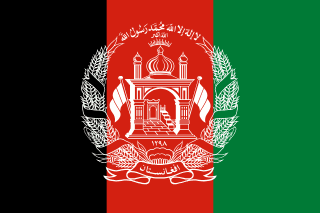 Afghanistan
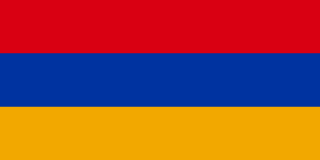 Armenia
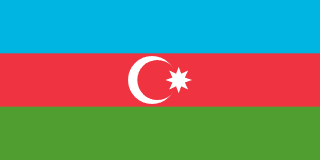 Azerbaijan
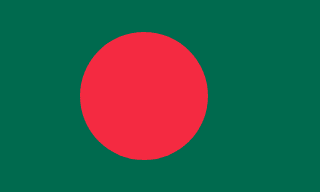 Bangladesh
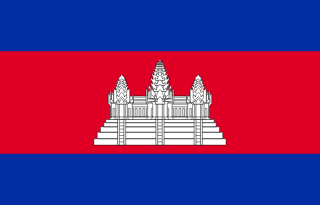 Cambodia
 China
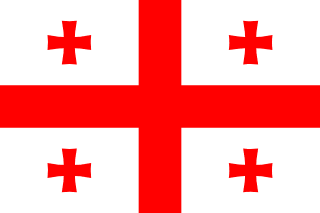 Georgia
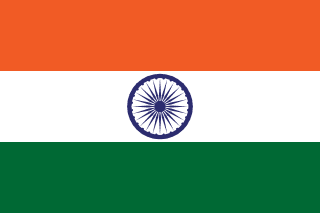 India
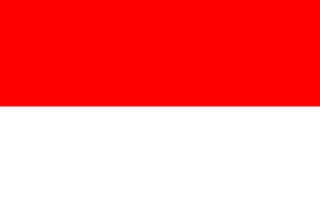 Indonesia
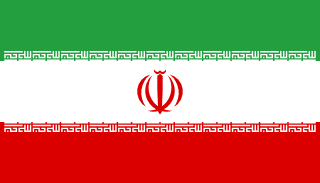 Iran
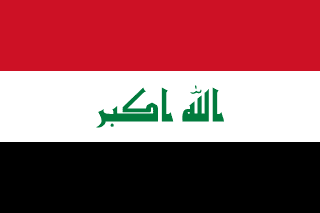 Iraq
 Japan
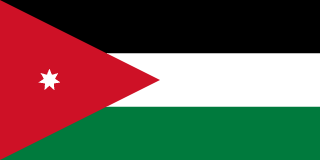 Jordan
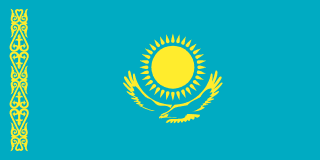 Kazakhstan
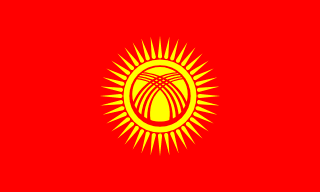 Kyrgyzstan
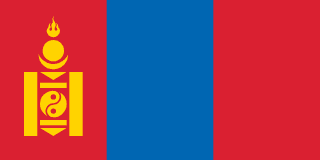 Mongolia
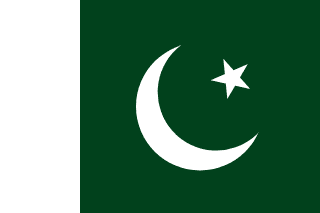 Pakistan
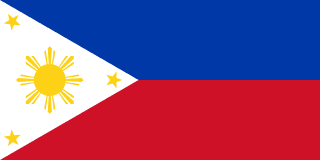 Philippines
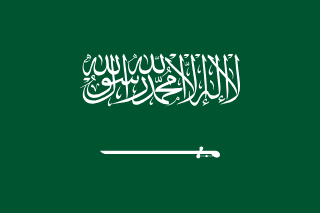 Saudi Arabia
 South Korea
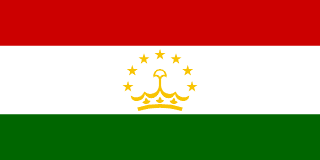 Tajikistan
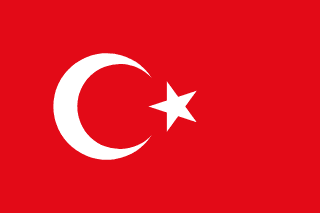 Türkiye
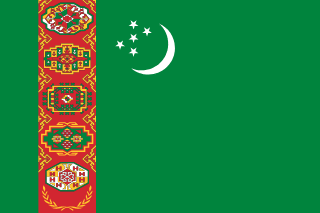 Turkmenistan
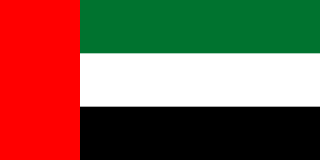 United Arab Emirates
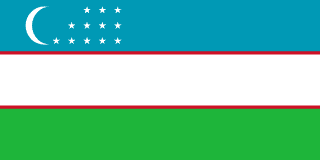 Uzbekistan
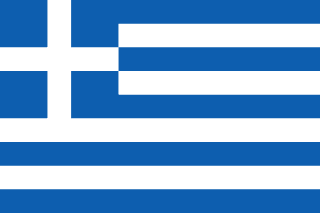 Greece
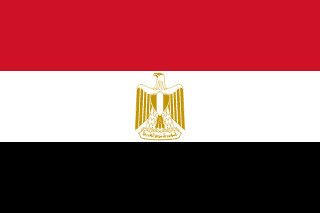 Egypt
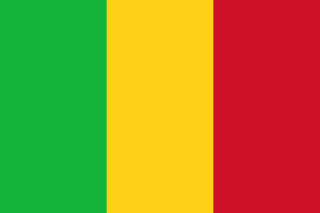 Mali
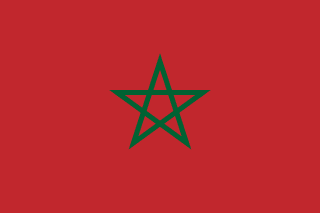 Morocco
 Italy
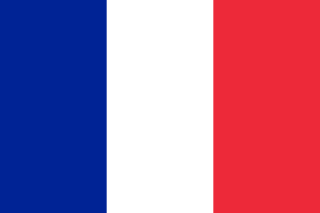 France
 United Kingdom
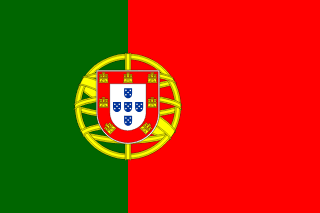 Portugal
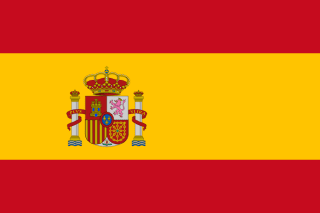 Spain
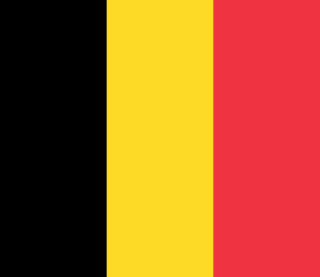 Belgium
 Germany
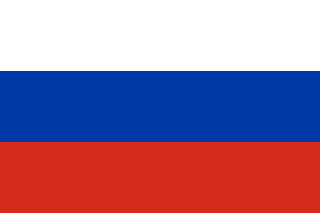 Russia
 Austria
 Serbia
 Poland
 Ukraine
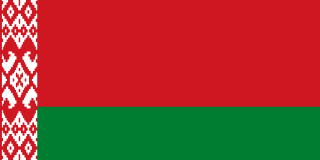 Belarus
 United States
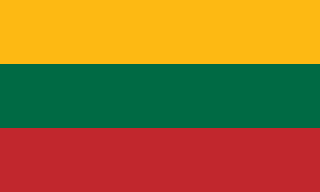 Lithuania
 Latvia
 Estonia
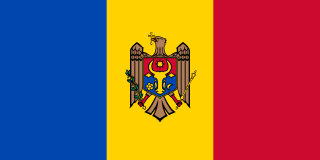 Moldova
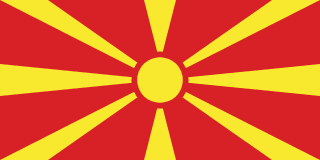 North Macedonia
 South Africa