History

World History Explorer

Travel through 103 key moments in world history and meet 55 influential people — by region, country or city. Every entry links to its sources.

Explore history by country

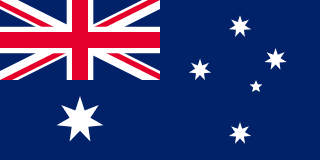
Flag of Australia

Australia

Events that took place in the territory of present-day Australia, including periods before the modern state existed. Country profile · Oceania history

  1. Independence and Nation Formation

    Australian Federation

    Sydney (present-day Australia)

    Six British colonies united to form the Commonwealth of Australia.

    Why it matters: It created the Australian federal state, while Aboriginal and Torres Strait Islander peoples were excluded from many rights for decades.

    People, places & sources

    Cities: Sydney

    Sources: Wikipedia

  2. Cultural and Religious History

    The Sydney Opera House opens

    Sydney (present-day Australia)

    Queen Elizabeth II opened the performing-arts centre designed by the Danish architect Jørn Utzon.

    Why it matters: It is a UNESCO World Heritage Site and one of the best-known buildings of the 20th century.

    People, places & sources

    People: Jørn Utzon

    Cities: Sydney

    Sources: Encyclopaedia Britannica · UNESCO World Heritage Centre · Wikipedia

  3. Political and Social Changes

    Uluru is returned to its Aboriginal owners

    Central Australia (present-day Australia)

    The Australian government handed back title to Uluru–Kata Tjuta to the Anangu people, who lease it back to be run as a national park.

    Why it matters: It is a landmark moment in recognition of Aboriginal land rights.

    People, places & sources

    Sources: Encyclopaedia Britannica · Wikipedia

How we check history

Every event and profile in this collection is written from established reference works and linked to them: Encyclopaedia Britannica and the UNESCO World Heritage Centre where they cover the topic (links verified through Wikidata), and Wikipedia for every entry. Dates follow those references. When a date is an estimate it is marked “c.” (circa), and when historians disagree — about a date, a number of victims or what an event means — the card says so in a historical note.

Places are described with the name used at the time and the present-day country where they lie today. Linking an event to a present-day country does not mean the people involved shared that modern national identity. If GeoCrown has no verified entry for a place, the explorer says so rather than filling the gap. This is a growing, curated collection; read more about our sources or browse all historical figures.