History

World History Explorer

Travel through 103 key moments in world history and meet 55 influential people — by region, country or city. Every entry links to its sources.

Explore history by country

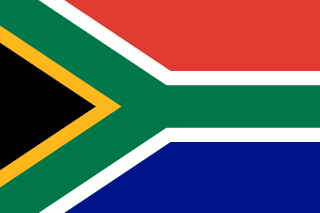
Flag of South Africa

South Africa

Events that took place in the territory of present-day South Africa, including periods before the modern state existed. Country profile · Africa history

  1. Political and Social Changes

    South Africa's first democratic election

    South Africa

    Citizens of all races voted for the first time, and Nelson Mandela was elected president.

    Why it matters: It marked the end of apartheid; 27 April is celebrated as Freedom Day.

    People, places & sources

    People: Nelson Mandela,

    Cities: Pretoria

    Sources: Wikipedia

Historical figures associated with South Africa

Mahatma Gandhi

1869 – 1948

Leader of the Indian independence movement

Porbandar, British India (present-day India)

IndiaSouth Africa

Gandhi first organised civil-rights campaigns in South Africa before leading India's independence movement. He was assassinated in January 1948.

  • Developed non-violent resistance (satyagraha)
  • Led the Salt March (1930)

Events: India and Pakistan become independent (14–15 August 1947)

Sources: Encyclopaedia Britannica · Wikipedia

Nelson Mandela

1918 – 2013

Anti-apartheid leader and president of South Africa

South Africa

South Africa

Mandela spent 27 years in prison before his release in 1990, then led negotiations to end apartheid.

  • First president elected in a fully democratic South African election
  • Nobel Peace Prize (1993)

Events: South Africa's first democratic election (27 April 1994)

Sources: Encyclopaedia Britannica · Wikipedia

How we check history

Every event and profile in this collection is written from established reference works and linked to them: Encyclopaedia Britannica and the UNESCO World Heritage Centre where they cover the topic (links verified through Wikidata), and Wikipedia for every entry. Dates follow those references. When a date is an estimate it is marked “c.” (circa), and when historians disagree — about a date, a number of victims or what an event means — the card says so in a historical note.

Places are described with the name used at the time and the present-day country where they lie today. Linking an event to a present-day country does not mean the people involved shared that modern national identity. If GeoCrown has no verified entry for a place, the explorer says so rather than filling the gap. This is a growing, curated collection; read more about our sources or browse all historical figures.