History

World History Explorer

Travel through 103 key moments in world history and meet 55 influential people — by region, country or city. Every entry links to its sources.

Explore history by country

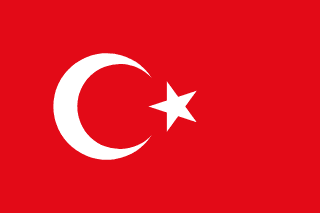
Flag of Türkiye

Türkiye

Events that took place in the territory of present-day Türkiye, including periods before the modern state existed. Country profile · Asia history

  1. Wars and Conflicts

    Alexander the Great's campaigns

    From Macedon across Anatolia, Egypt and Persia to the Indus
    Alexander III of Macedon defeated the Achaemenid Persian Empire and led his army as far as the Indus valley before his death in Babylon.

    Why it matters: His conquests spread Greek language and culture across western Asia and Egypt, beginning the Hellenistic period.

    Historical note: Ancient Macedon is not the same as any present-day state; its legacy is claimed in different ways today.

    People, places & sources

    People: Alexander the Great,

    Sources: Wikipedia

  2. Kingdoms and Empires

    Constantine dedicates Constantinople

    Byzantium, Roman Empire (present-day Istanbul, Türkiye)

    Emperor Constantine I rebuilt the city of Byzantium and dedicated it as a new imperial capital.

    Why it matters: Constantinople was the capital of the Eastern Roman (Byzantine) Empire for over 1,000 years.

    People, places & sources

    People: Constantine the Great,

    Cities: Istanbul

    Sources: Wikipedia

  3. Cultural and Religious History

    Hagia Sophia is completed

    Constantinople, Byzantine Empire (present-day Istanbul, Türkiye)

    Emperor Justinian I had the great domed church rebuilt in under six years by the architects Anthemius of Tralles and Isidore of Miletus.

    Why it matters: Its vast dome influenced architecture for centuries; it later served as a mosque, a museum, and again as a mosque since 2020.

    People, places & sources

    People: Justinian I, Anthemius of Tralles, Isidore of Miletus

    Cities: Istanbul

    Sources: Encyclopaedia Britannica · UNESCO World Heritage Centre · Wikipedia

  4. Wars and Conflicts

    The Ottoman conquest of Constantinople

    Constantinople (present-day Istanbul, Türkiye)

    Ottoman forces under Sultan Mehmed II captured the city after a siege of about 53 days.

    Why it matters: It ended the Byzantine Empire, and the city became the Ottoman capital.

    People, places & sources

    People: Mehmed II, Constantine XI Palaiologos

    Cities: Istanbul

    Sources: Encyclopaedia Britannica · Wikipedia

  5. Wars and Conflicts

    The First World War

    Europe, the Middle East, Africa and the oceans

    The war between the Allied Powers and the Central Powers lasted from July 1914 to the armistice of 11 November 1918.

    Why it matters: Around 9 million soldiers died, and four empires — the German, Austro-Hungarian, Russian and Ottoman — collapsed.

    Historical note: Casualty figures are estimates and vary between sources.

    People, places & sources

    Sources: Encyclopaedia Britannica · Wikipedia

Historical figures associated with Türkiye

Constantine the Great

c. 272 – 337 CE

Roman emperor

Roman Empire

TürkiyeItaly

Constantine became sole ruler of the Roman Empire and was the first emperor to convert to Christianity.

  • Legalised Christianity with the Edict of Milan (313)
  • Founded Constantinople

Events: Constantine dedicates Constantinople (11 May 330)

Sources: Encyclopaedia Britannica · Wikipedia

Justinian I

c. 482 – 565 CE

Eastern Roman (Byzantine) emperor

Byzantine Empire

Türkiye

Justinian ruled from Constantinople from 527 and tried to restore Roman control over the western Mediterranean.

  • Rebuilt Hagia Sophia
  • Codified Roman law in the Corpus Juris Civilis

Events: Hagia Sophia is completed (537 CE)

Sources: Encyclopaedia Britannica · Wikipedia

How we check history

Every event and profile in this collection is written from established reference works and linked to them: Encyclopaedia Britannica and the UNESCO World Heritage Centre where they cover the topic (links verified through Wikidata), and Wikipedia for every entry. Dates follow those references. When a date is an estimate it is marked “c.” (circa), and when historians disagree — about a date, a number of victims or what an event means — the card says so in a historical note.

Places are described with the name used at the time and the present-day country where they lie today. Linking an event to a present-day country does not mean the people involved shared that modern national identity. If GeoCrown has no verified entry for a place, the explorer says so rather than filling the gap. This is a growing, curated collection; read more about our sources or browse all historical figures.